





FIRADAUS KHAZIS ARCHITECT BLOG
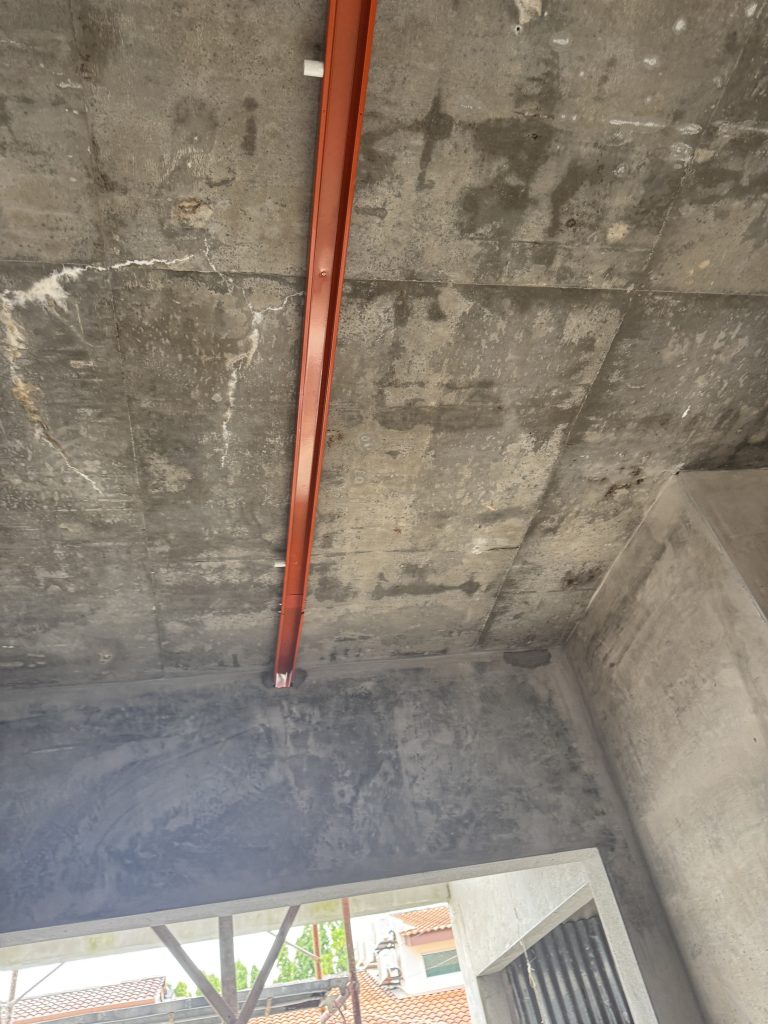
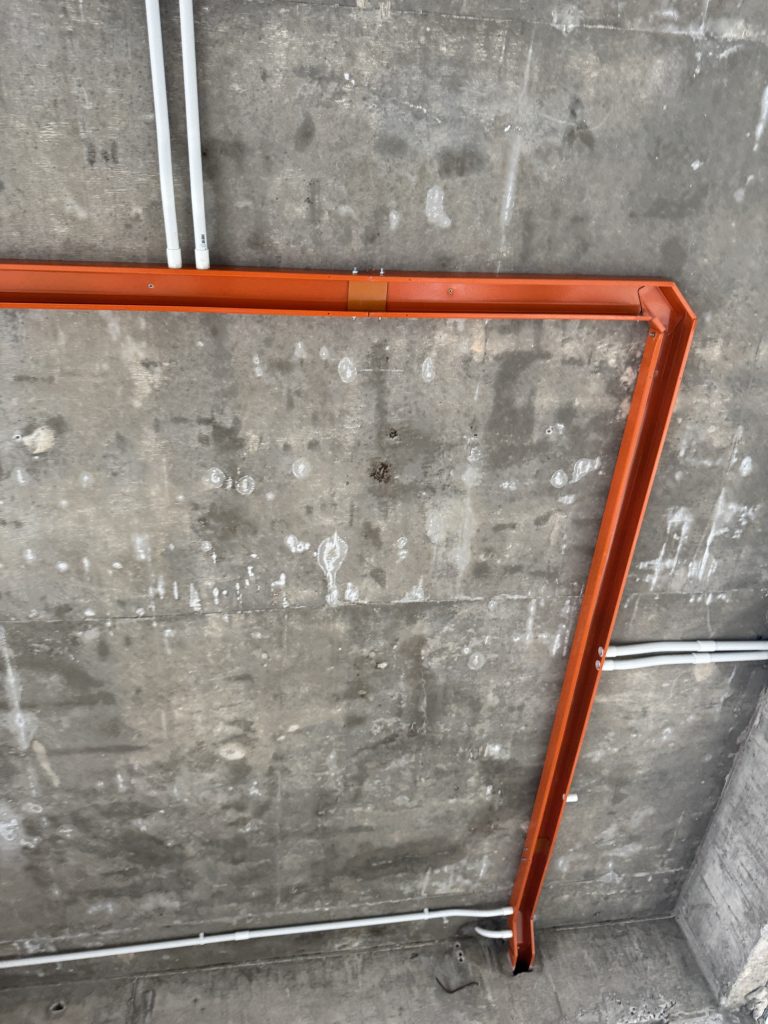
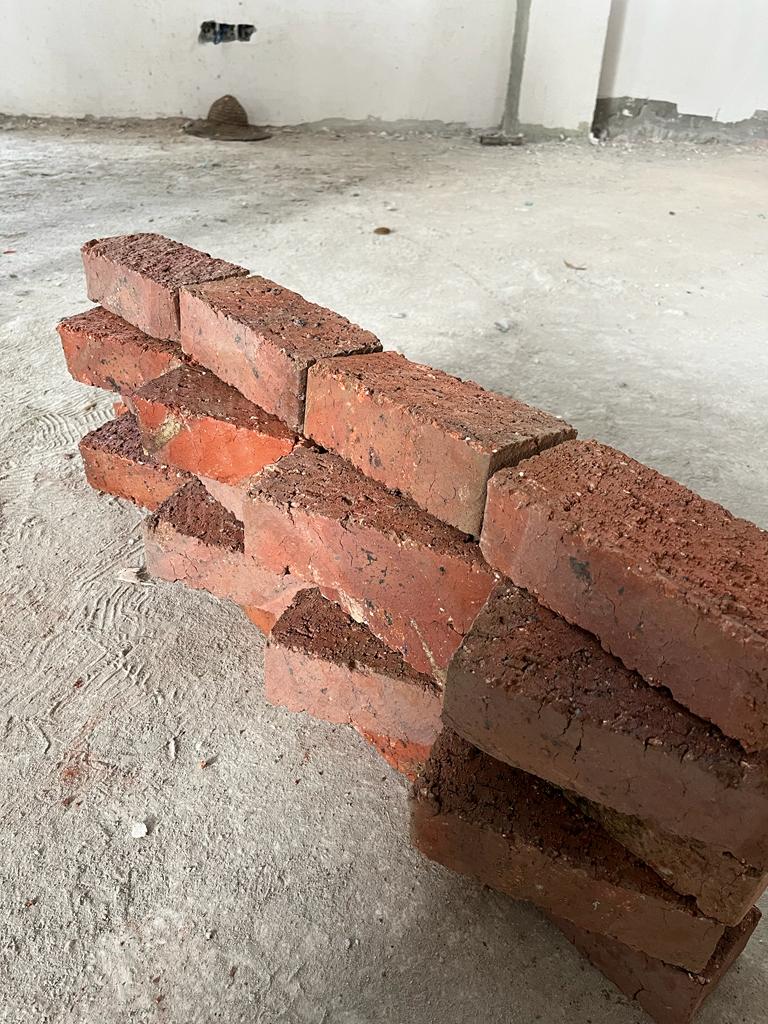
before finalized with brick design layout, its very important to run a dry lay to check the brick layering strength before even adding mortar.
– Dewan Moccis
Stone walls have been used for centuries, but terms can get confusing on site. In Malaysia especially, words like “stone pitch wall” or “rubble wall” are often used loosely. This article clarifies the four main types you’ll encounter and when to use each one.
⸻
1) Fieldstone Rubble Wall (Random Rubble Masonry)

Caption: Fieldstone rubble wall — irregular natural stones arranged in mortar for a rustic, natural look.
What it is: Built with naturally found stones (often granite in Malaysia), used with minimal dressing and laid in mortar. Can be uncoursed (random) or roughly coursed.
• Appearance: Rustic, organic, irregular
• Cost: Medium — labour for sorting/laying stones; less than ashlar
• Strength: Heavy and durable; add weep holes if retaining soil
• Typical uses in Malaysia: Retaining walls, boundary walls, garden features
⸻
2) Hardcore Rubble Wall (Practical, Cost-Saving Option)


Caption: Hardcore rubble wall — large stones (“hardcore”) set in mortar with minimal finishing; chosen for practicality, not aesthetics.
What it is: A budget-friendly variation where large irregular stones (hardcore) are used with minimal shaping/finishing. Focus is on mass and stability rather than appearance.
• Appearance: Very rough and plain
• Cost: Lowest — prioritises speed and material economy
• Strength: Solid mass wall; relies on mortar for bonding
• Typical uses in Malaysia: Base walls, non-decorative retaining walls, cost-sensitive works
⸻
3) Stone Pitching (Erosion Control, Not a Vertical Wall)

Caption: Stone pitching — stones packed tightly on a slope or drain lining to prevent erosion; technically not a vertical wall type.
What it is: A protective stone lining set in mortar on embankments, riverbanks, or open drains to resist erosion. On site, people sometimes say “stone pitch wall,” but in standards this is slope/drain protection — not a façade or vertical wall.
• Appearance: Tightly packed stone surface on a slope
• Cost: Medium — labour-intensive but utilitarian
• Strength: Excellent for stabilising slopes and guiding water
• Typical uses in Malaysia: Road embankments, riverbanks, drains and channels
⸻
4) Ashlar Masonry (Cut Stone Wall)

Caption: Ashlar masonry — squared, precisely cut stones laid in regular courses for a refined, formal finish. A common texture is pitch-faced ashlar (rough centre, dressed edges).
What it is: The most refined family of stonework. Stones are dressed/squared with accurate bed and joint faces, producing tight joints and a clean visual line. Pitch-faced ashlar retains texture on the stone face while keeping neat margins.
• Appearance: Clean, geometric, elegant
• Cost: Highest — requires quarry dressing and skilled laying
• Strength: Excellent dimensional stability and load distribution
• Typical uses: Premium façades, civic buildings, monuments
⸻
Quick Comparison
• Fieldstone Rubble Wall: Natural, rustic, irregular | Cost: Medium | Use: Retaining/boundary walls, garden features
• Hardcore Rubble Wall: Very rough, plain | Cost: Low | Use: Functional, cost-saving mass walls
• Stone Pitching: Packed stones on a slope | Cost: Medium | Use: Erosion/drain protection (not a vertical wall)
• Ashlar Masonry: Refined, geometric courses | Cost: High | Use: Premium façades, monuments
⸻
Conclusion
Choose fieldstone rubble for a natural rustic look, hardcore rubble when budget and practicality matter most, stone pitching for slopes and drains, and ashlar masonry for formal, premium façades. Using precise terms helps architects, contractors and clients align expectations and performance.

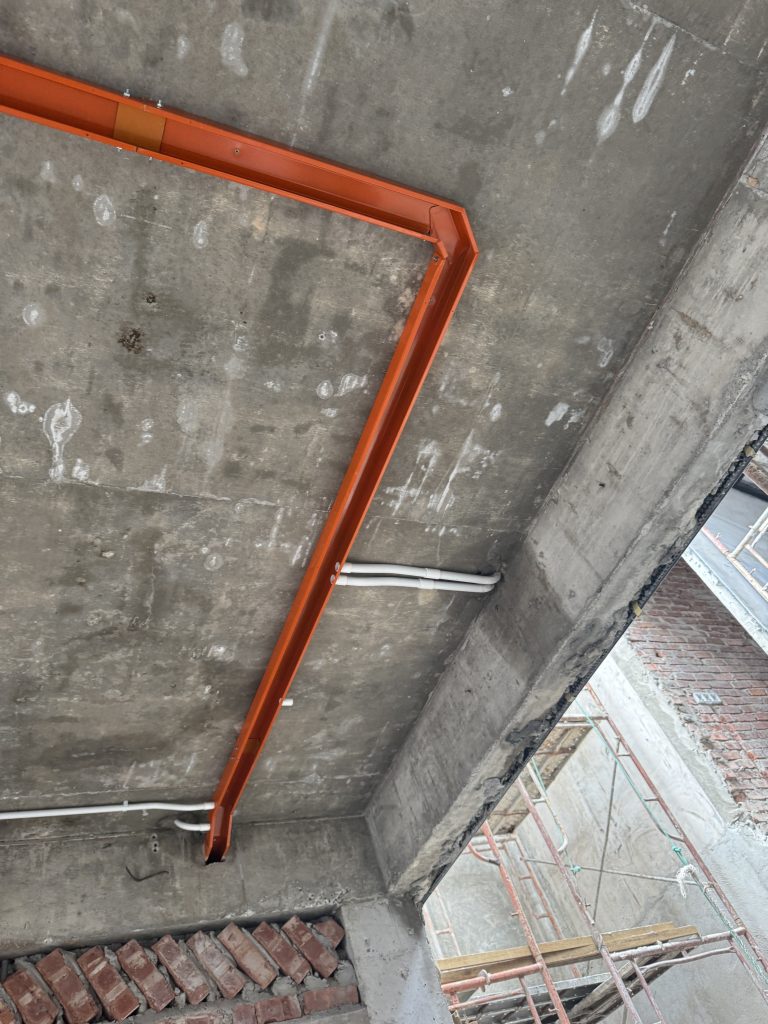
The facade system is called GFRC – Glass Fiber Reinforced Concrete
It is precast and mold to the shape while Galvanized steel frame become the sub structure to hold the facade ornament


concrete block

railing sample for master bedroom and family living level 1 railing above planter box

black brick with black mortar and method of laying


THE HUBS SS2


